THE FLAT CAP EDIT / THE HERITAGE
History of the flat cap
Before it became a signature look, the cap was part of everyday life. Here’s a short introduction to its long history.
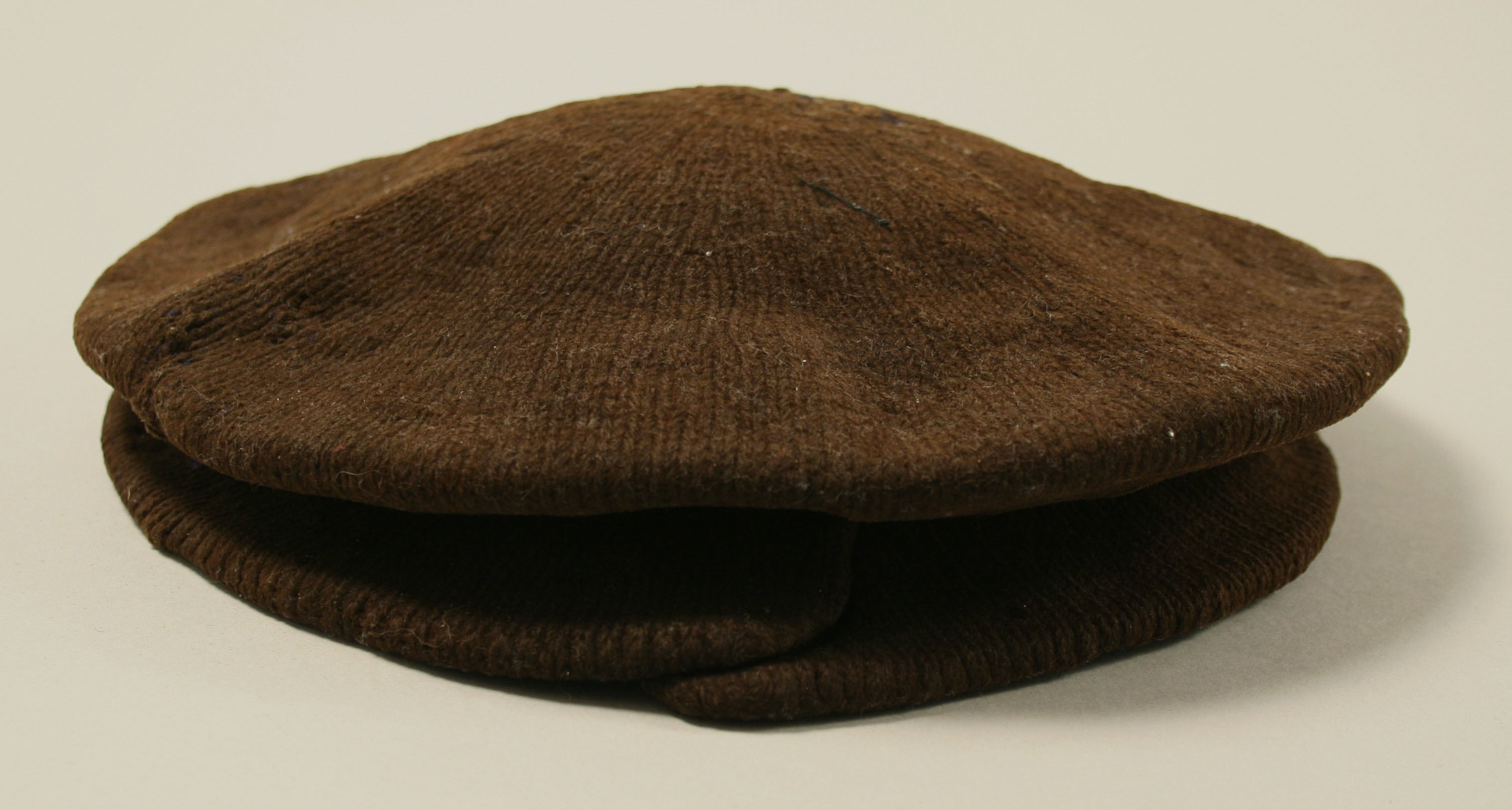

EARLY ROOTS
A cap woven into history.
Knitted wool caps were worn in Tudor England’s working and business communities. Made by skilled specialists, they offered warmth and protection in a range of colours and qualities.
1571: a place in the statute book
An English law required many men and boys to wear English-made wool caps on Sundays and holidays. The rule supported the domestic cap-making trade.
An everyday companion
The flat cap later became closely associated with working life, including farmers, labourers and fishermen. Its soft crown and short brim remain the recognisable essentials.
Read more: London Museum’s Tudor caps and Lambton Heritage Museum’s hat guide.